
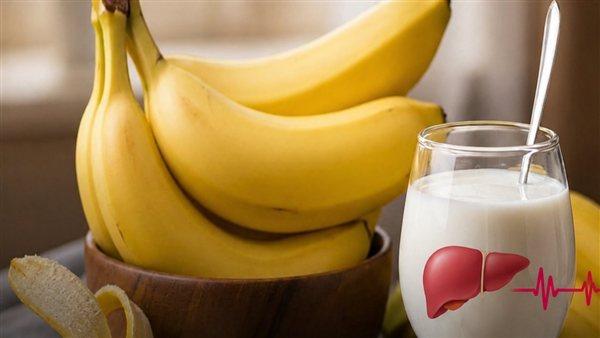
is one of the most common digestive system disorders today and is closely linked to lifestyle and dietary habits. Making healthy dietary changes is considered the first line of defense in preventing and managing this condition.
Bananas and Fatty Liver: What Happens to Your Body When You Eat Them?
Many people believe that all fruits are always healthy. However, for people with fatty liver disease, the type of fruit, its ripeness, and the amount consumed all play an important role.
Benefits of Bananas for the Liver
When eaten in moderation, bananas provide several nutrients that support liver health:
- Dietary Fiber: A medium banana contains about 3 grams of fiber, which may help improve insulin sensitivity and reduce cholesterol and triglyceride levels.
- Potassium: Helps regulate blood pressure and supports healthy blood circulation, including blood flow to the liver.
- Antioxidants and Vitamin B6: Help protect liver cells from oxidative stress and inflammation.
When Can Bananas Become Harmful?
Bananas contain fructose, a natural fruit sugar. When the liver processes excessive amounts of fructose, it converts the excess into stored fat.
⚠️ Important Note About Banana Ripeness:
- Green or Slightly Unripe Bananas: A better option for people with fatty liver because they contain resistant starch and fiber, which are digested more slowly and have a smaller impact on blood sugar.
- Very Ripe Yellow Bananas (with Brown Spots): Contain higher amounts of simple sugars that are absorbed more quickly, so they should be eaten in moderation to help reduce excess fat accumulation in the liver.
Conclusion
Eating one medium banana per day, preferably one that is moderately ripe, as part of a balanced diet is generally considered safe for most people. However, excessive consumption may have the opposite effect.
What Should a Person with Fatty Liver Eat? (A Complete Nutrition Guide)
The main goals of a fatty liver diet are to reduce inflammation, improve insulin sensitivity, and decrease fat accumulation around the liver.
Foods to Focus On
Leafy Green and Cruciferous Vegetables
Such as broccoli, spinach, kale, and cauliflower. They contain compounds that help protect liver cells.
Fatty Fish
Including salmon, sardines, and tuna. These are rich in omega-3 fatty acids, which may help reduce liver fat and inflammation.
Whole Grains
Such as oats, brown rice, and whole-wheat bread. They provide complex carbohydrates and fiber that help keep blood sugar levels stable.
Healthy Fats
Including extra virgin olive oil, avocados, and raw nuts such as walnuts and almonds.
Legumes
Such as lentils, beans, and chickpeas. They are excellent sources of plant-based protein and dietary fiber.
Coffee and Green Tea
Research suggests that drinking coffee (without added sugar or creamers) may help lower liver enzyme levels and protect the liver from fibrosis. Green tea may also support liver health when consumed in moderation.