
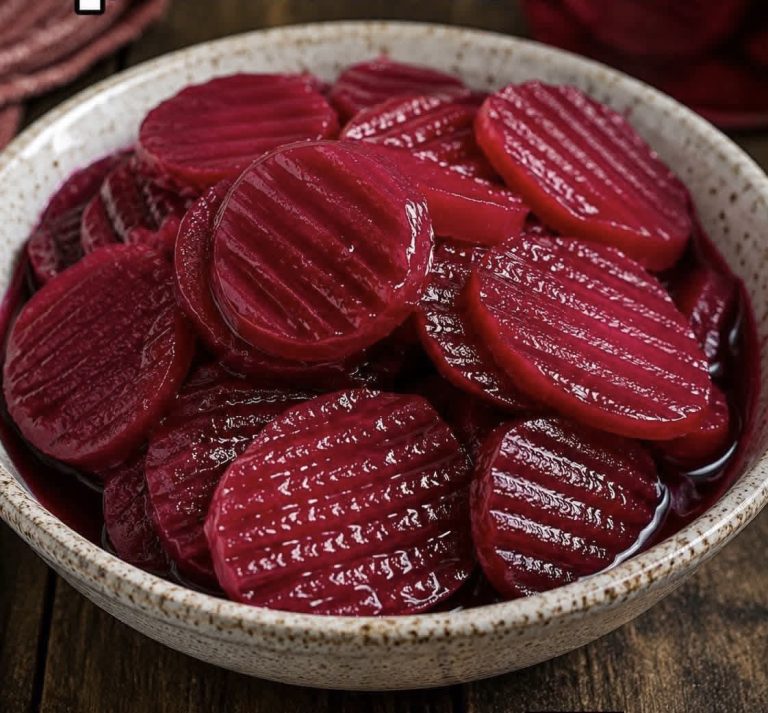
Pickled beets are a colorful, flavorful addition to many meals, offering a unique combination of sweet, tangy, and earthy flavors. While some people love them instantly, others may need time to appreciate their distinctive taste. Beyond their vibrant appearance, pickled beets provide valuable nutrients and can be part of a balanced diet.
Whether served as a side dish, tossed into salads, or enjoyed straight from the jar, pickled beets have become a favorite in many cuisines around the world. Understanding their nutritional value, health benefits, and potential drawbacks can help you decide whether they deserve a place on your plate.
What Are Pickled Beets?
Pickled beets are cooked beets preserved in a mixture of vinegar, water, spices, and often a small amount of sugar and salt. The pickling process extends their shelf life while adding a pleasantly tangy flavor that balances the natural sweetness of beets.
They can be prepared at home or purchased in jars, making them a convenient option for quick meals and snacks.
Nutritional Value of Pickled Beets
Although the pickling process slightly changes their nutritional profile, pickled beets remain a good source of several important nutrients, including:
- Dietary fiber
- Folate
- Manganese
- Potassium
- Iron
- Vitamin C (in smaller amounts after processing)
- Natural antioxidants
The exact nutritional content depends on the recipe, especially the amount of sugar and salt used during pickling.
Health Benefits of Pickled Beets
Rich in Antioxidants
Beets contain betalains, the natural pigments responsible for their deep red color. These compounds have antioxidant properties that help protect cells from oxidative stress caused by free radicals.
Including antioxidant-rich foods in your diet supports overall wellness and healthy aging.
May Support Heart Health
Beets naturally contain dietary nitrates, which the body converts into nitric oxide. Nitric oxide helps relax blood vessels, promoting healthy circulation and supporting normal blood pressure in many individuals.
While fresh beets generally contain higher nitrate levels, pickled beets can still contribute beneficial compounds.
Good Source of Fiber
Fiber plays an important role in digestive health by promoting regular bowel movements and supporting beneficial gut bacteria.
A fiber-rich diet may also help you feel full longer, making it easier to manage appetite.
Supports Healthy Blood Formation
Pickled beets provide folate and iron, nutrients involved in the production of healthy red blood cells.
Folate is particularly important during periods of rapid growth and pregnancy, although dietary needs vary from person to person.
May Help Maintain Energy Levels
The natural carbohydrates found in beets provide a steady source of energy. Combined with vitamins and minerals, pickled beets can make a satisfying addition to balanced meals.
Are Pickled Beets as Healthy as Fresh Beets?
Fresh beets generally contain more vitamin C and may retain slightly higher levels of natural nitrates.
However, pickled beets still offer:
- Fiber
- Minerals
- Antioxidants
- Plant compounds
Choosing varieties with less added sugar and lower sodium can make them an even healthier option.
Possible Downsides
While pickled beets can be nutritious, there are a few considerations.
Higher Sodium Content
Many commercial varieties contain significant amounts of salt, which may not be suitable for individuals following low-sodium diets.
Reading nutrition labels can help you choose healthier options.
Added Sugar
Some recipes include added sugar to balance the acidity of the vinegar.
If you’re monitoring sugar intake, select reduced-sugar varieties or prepare homemade pickled beets using minimal sweetener.
Temporary Red Urine or Stool
Eating beets may cause urine or stool to appear pink or reddish, a harmless condition known as beeturia.
Although it may seem alarming, it is usually temporary and not a cause for concern.
How to Enjoy Pickled Beets
Pickled beets are extremely versatile and can be served in many delicious ways.
Popular serving ideas include:
- Mixed into green salads
- Added to grain bowls
- Served with roasted vegetables
- Paired with goat cheese or feta
- Included on charcuterie boards
- Chopped into potato salad
- Layered in sandwiches
- Served alongside grilled chicken or fish
Their tangy flavor complements both savory and mildly sweet dishes.
Homemade Pickled Beets
Making pickled beets at home allows you to control the ingredients.
Basic ingredients include:
- Fresh beets
- Vinegar
- Water
- Salt
- Optional sugar
- Garlic
- Peppercorns
- Mustard seeds
- Bay leaves
After cooking the beets until tender, peel and slice them before placing them in sterilized jars with the pickling liquid.
Allow the flavors to develop in the refrigerator for at least 24 hours before serving.
Storage Tips
Refrigerated homemade pickled beets should be stored in clean, sealed containers and consumed within the recommended storage period.
Commercially packaged jars should be refrigerated after opening and used according to the manufacturer’s instructions.
Always discard any product with signs of spoilage, unusual odor, mold, or damaged packaging.
Who Should Be Careful?
Most healthy adults can enjoy pickled beets as part of a balanced diet.
However, individuals who should monitor their intake include:
- People following sodium-restricted diets
- Those limiting added sugars
- Individuals with kidney stones who have been advised to reduce oxalate-rich foods
- Anyone with specific dietary restrictions recommended by a healthcare professional
Moderation remains the key to enjoying pickled beets while maintaining a balanced eating pattern.
Final Thoughts
Pickled beets are a flavorful, nutrient-rich food that combines convenience with impressive nutritional value. They provide fiber, antioxidants, essential minerals, and beneficial plant compounds while adding vibrant color and bold flavor to countless meals.
Although commercial varieties may contain added sodium and sugar, choosing lower-sodium options or preparing homemade pickled beets can make them an even healthier choice. Whether you already love their sweet and tangy taste or are trying them for the first time, pickled beets can be a delicious way to diversify your diet and enjoy more vegetables every day.